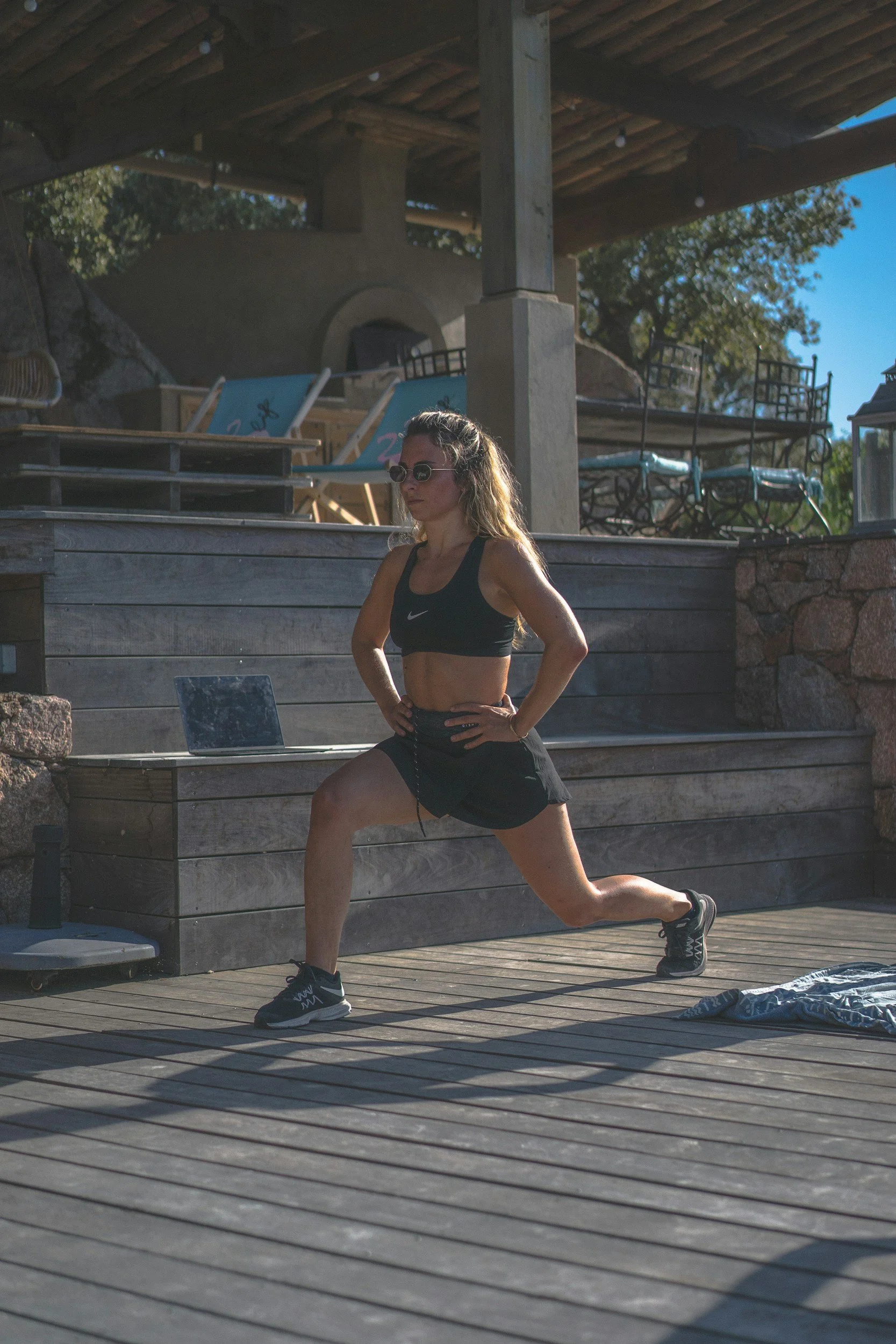
Beauty in Asymmetry: Why Perfect Balance Is Overrated and Unilateral Training Is Art
The human body is not a machine with mirror-image parts.
One leg is usually stronger. One arm dominates. Your heart sits left of center. Your liver is on the right.
Life itself is asymmetrical — uneven loads, unpredictable demands, one-sided challenges.
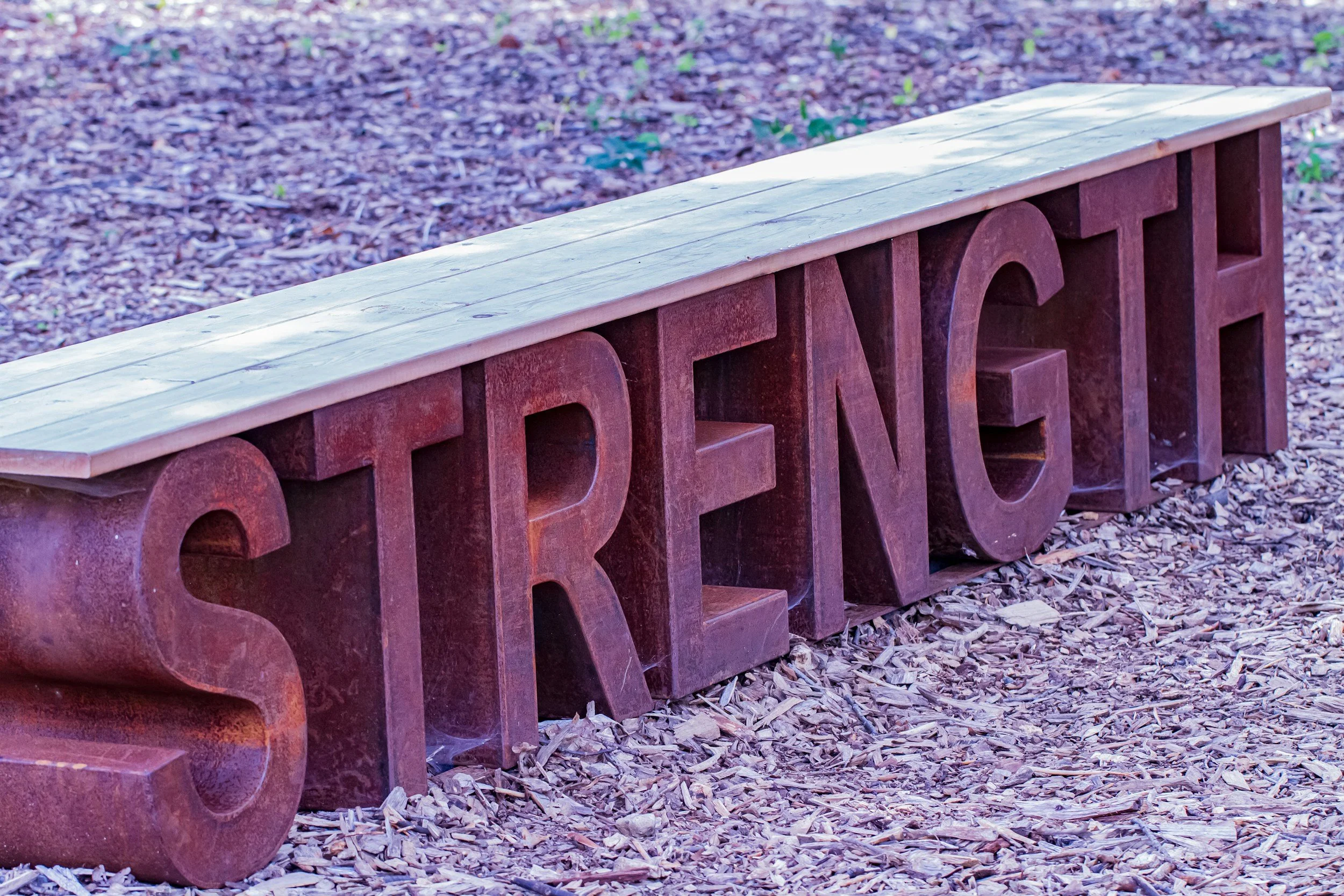
Strength as Virtue: The Lost Moral Case for Being Physically Powerful
We treat strength as a mask — shallow aesthetic-driven at best, evil necessity at worst.
But that is far from the truth.
Strength cultivates character.
And it gives you something even deeper: freedom.
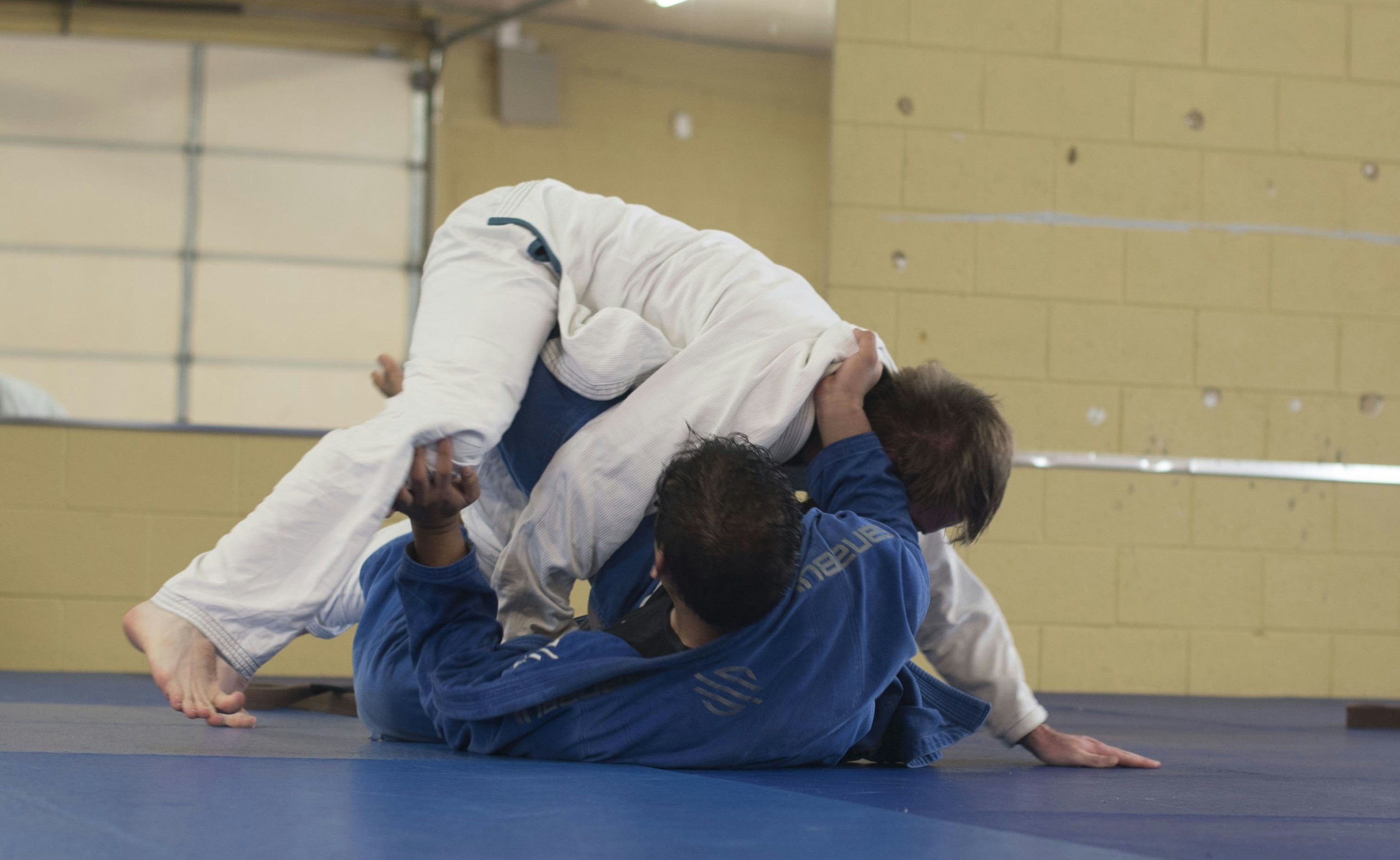
The Art of Controlled Violence: Why Every Person Needs a Fighting Practice
If the only reason you don’t fight is because you’re incapable of it, your peace is not a choice.
It’s helplessness dressed up as morality. And you will depend on others to protect you and what you stand for.
Training for Presence: How Heavy Lifting Forces You Into the Now
People call the gym a stress reliever.
They’re half right.

Your Body as a Business
The most successful “businesses” in fitness aren’t just profitable (strong, capable, resilient).
They’re built at the intersection of what you’re great at and what brings you deep joy — the same overlap that creates IKIGAI: a reason for being.
The Hidden Cost of Chasing "Optimal"
Chasing “optimal” is often the fastest way to stagnation, burnout, and quitting.

How to Design a Program When Life Keeps Changing
The secret to consistent, lifelong progress isn’t finding the “perfect” plan — it’s building a flexible system around an umbrella target: a bigger, guiding goal that lights the way no matter what chaos hits.
Purposeful Minimalism: The 5-Exercise Life
If you want to truly become a machine of a human, here’s what you need: five fundamental human movement patterns are enough for 95% of lifelong progress.
The Weekly Review Ritual
We are incredible adapters.
As humans, our superpower is the ability to learn from experience, adjust, and completely transform our lives.
But adaptation isn’t passive.
Fitness Inheritance: What Are You Passing On?
They see how you treat your body.
How you talk about food.
How you handle training on good days and bad.
Reclaiming Play in Adult Training
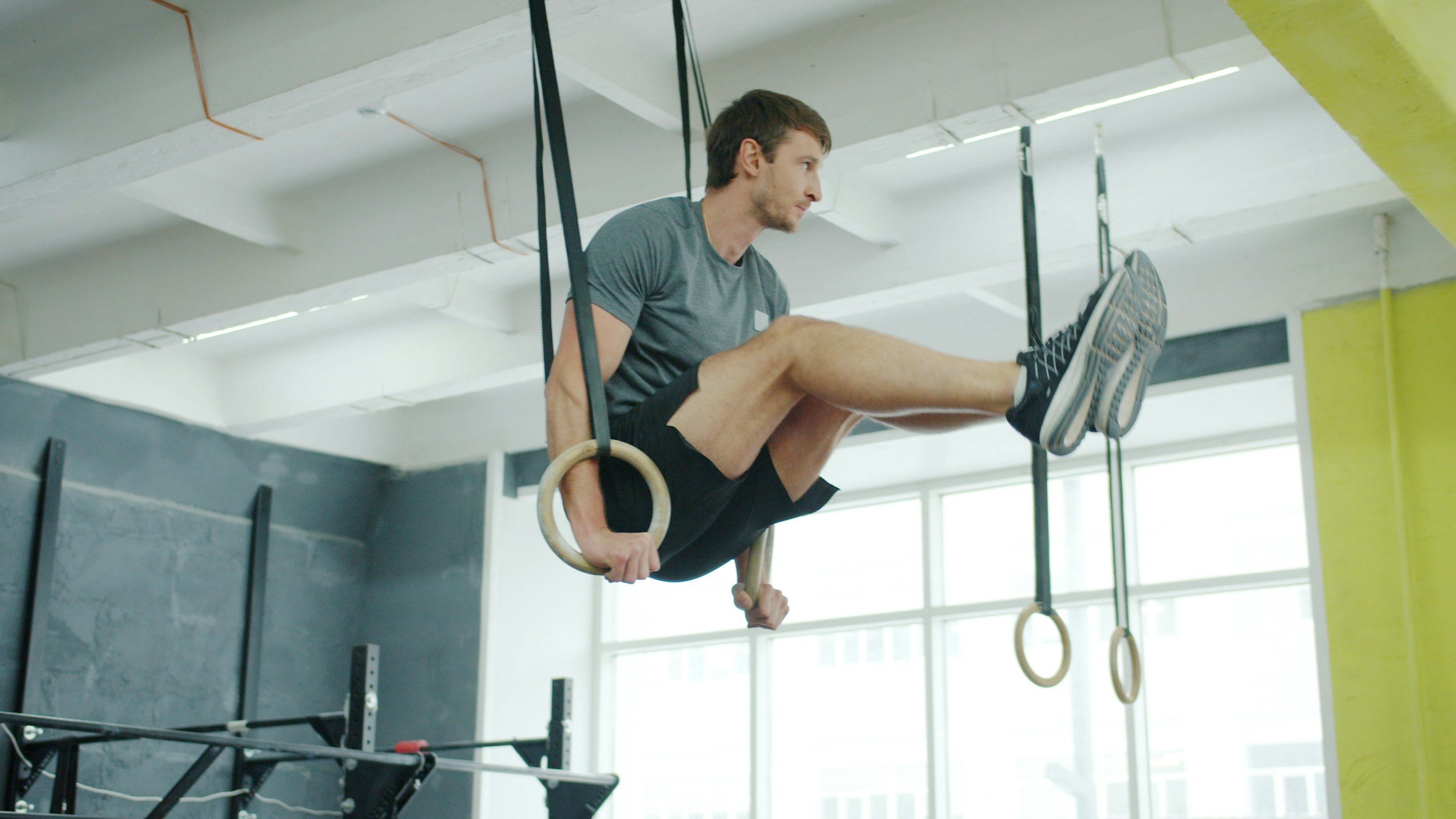
We all started with play.
As kids, movement was joy: running, climbing, chasing, competing. No spreadsheets. No macros. Just fun.
The Real Fitness Hierarchy: Performance → Aesthetics → Health
Most fitness advice starts with “health first.”
Eat clean for longevity. Move for heart health. Balance everything perfectly.
It sounds noble. Responsible. Mature.
But in practice, it rarely works.
Strength Training as Therapy (Done Right)
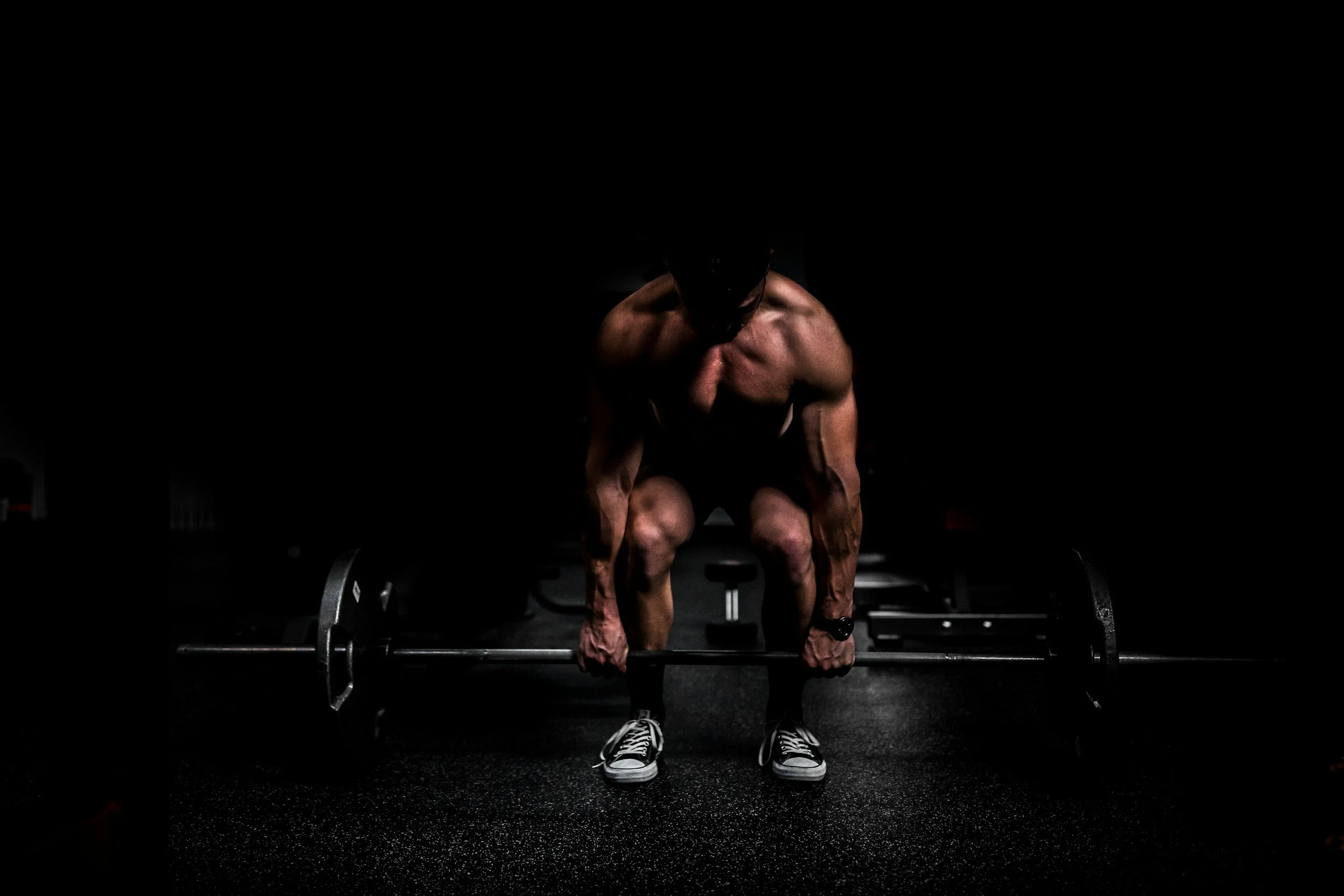
The gym isn’t just a place to build muscle.
For many of us, it’s therapy.

The Purposeful Plate: Eat for Energy, Not Macros
Food is fuel.
Full stop.
But fueling the body properly also means fueling the mind and spirit.
Ignore those, and even “perfect” macros leave you drained, uninspired, and eventually quitting.
Training for the Season You’re Actually In (Not the One You Wish You Had)
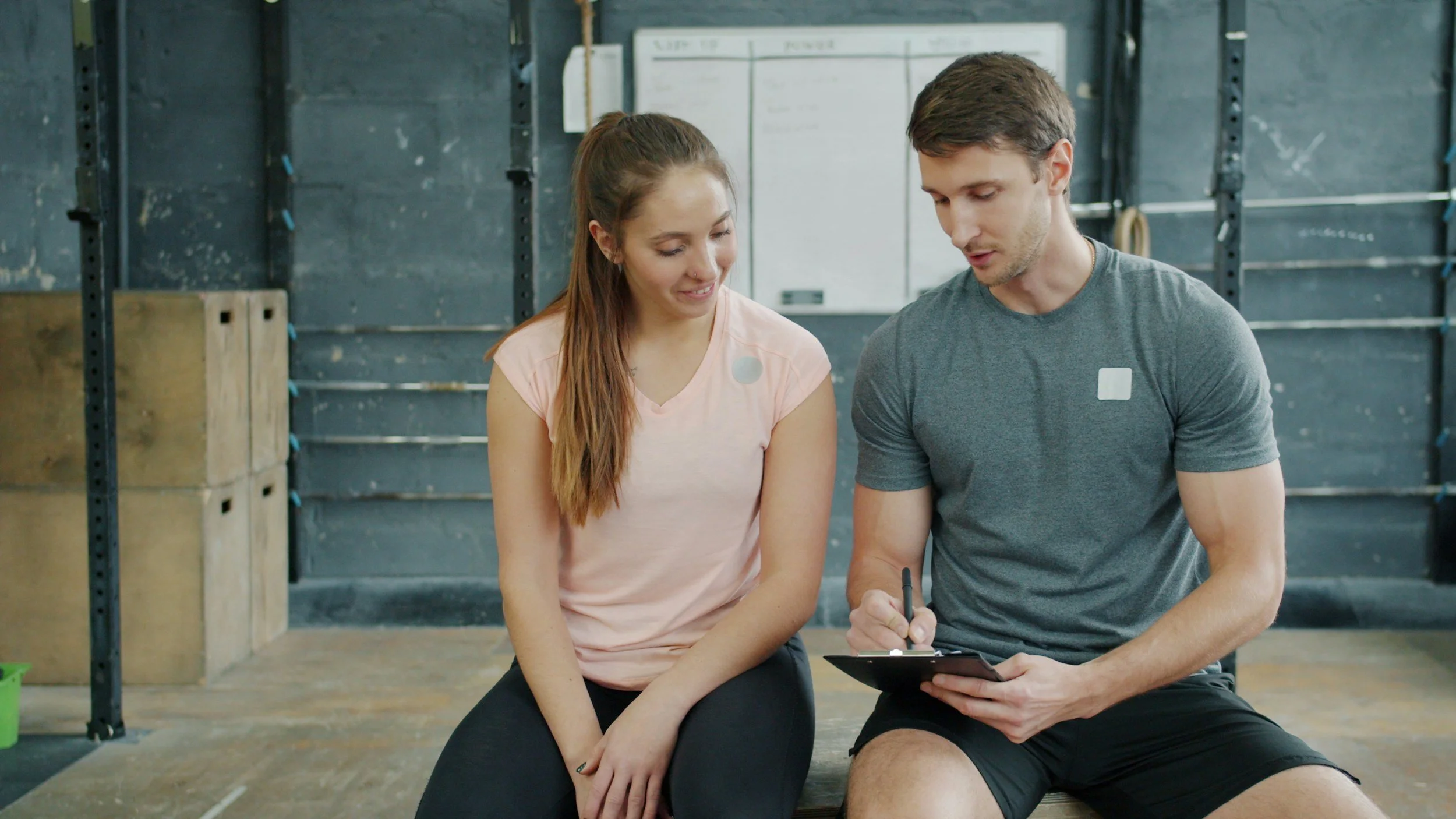
Here’s the truth: your training should match the season you’re actually in — not the one you wish you had.
Life moves in seasons. Priorities shift. Available resources (time, energy, sleep, stress levels) shift.
Why “Listen to Your Body” Is Making You Fragile And It’s Terrible Advice
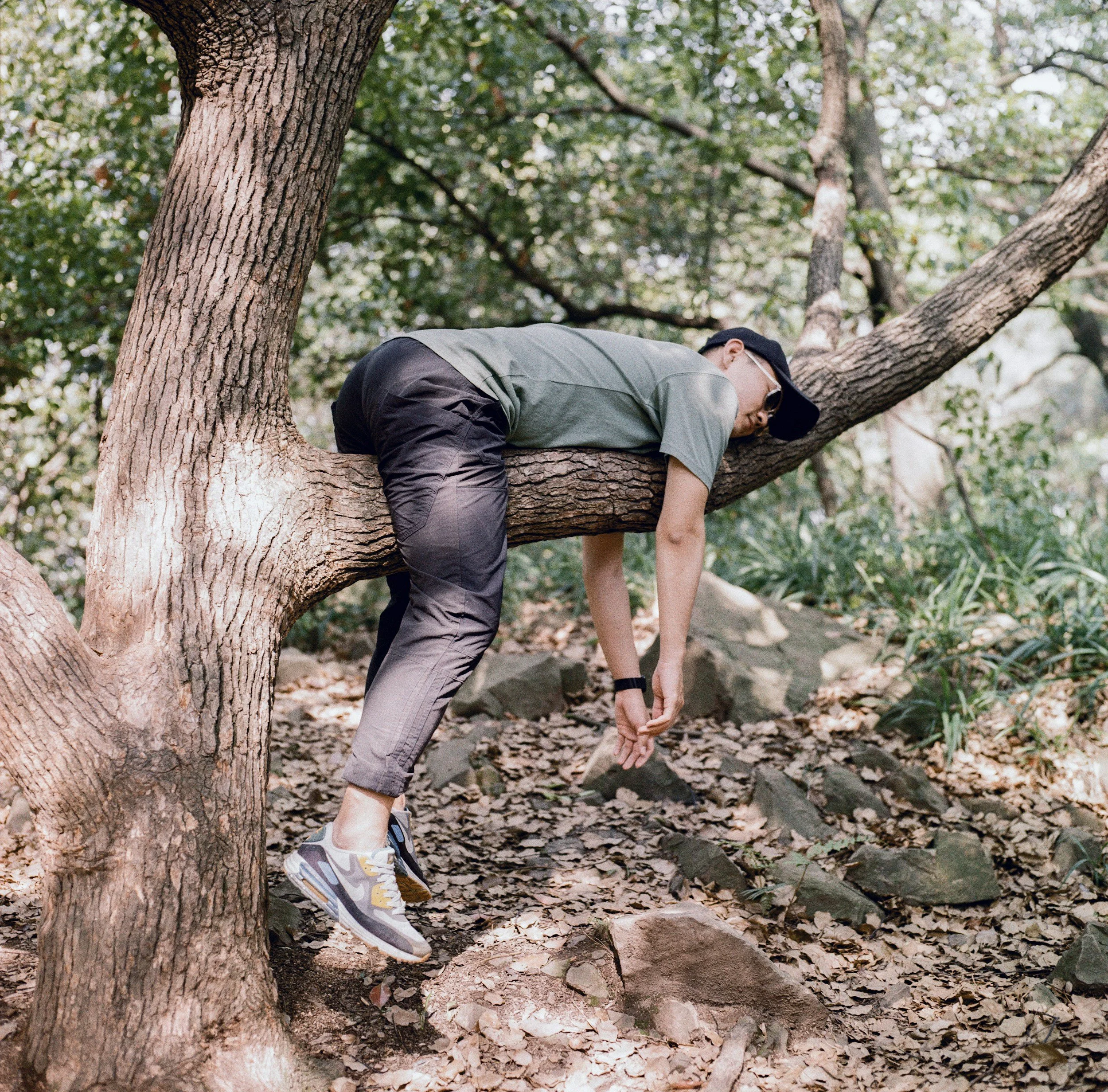
It’s the mantra of every wellness influencer, yoga teacher, and well-meaning coach.
It sounds kind, intuitive, almost spiritual.
But in practice — especially in today’s world — it’s often terrible advice that keeps people weak, inconsistent, and stuck.
The Recovery Paradox: Why the People Who Need Rest Most Get It Least
We don’t get better from working out. We get better when we recover from working out.
The Identity Gap: Why You Quit (and how to close it forever)
Most people think they quit their fitness journey because they lack willpower, get busy, or just “fall off the wagon.”
The real reason is quieter, deeper, and far more fixable.
It’s the Identity Gap.

Growth Doesn't Come From Tribalism
Life, at its core, is about growth. Everything in nature strives toward it—plants reach for the sun, rivers carve valleys deeper over time, and our own bodies are in a constant cycle of adaptation. To grow is to live fully; to stop growing is, in many ways, to begin dying. Growth keeps us curious, alive, and connected to possibility.